The Better Marketing Blog
Better tips, tools, and tactics for the AI era.
Better tips, tools, and tactics for the AI era.
Quick Summary
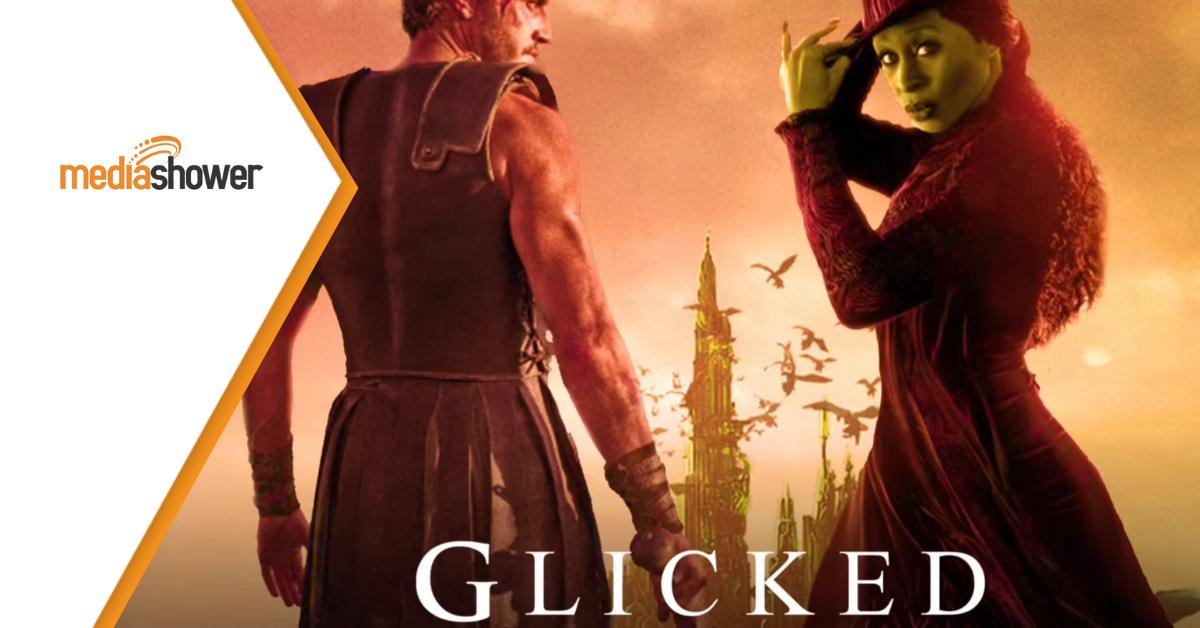
2024 brought us Glicked, an audacious attempt by Hollywood to recreate the viral magic of 2023’s Barbenheimer (where fans watched both “Barbie” and “Oppenheimer” on the same opening weekend).
On one side of the ring stood “Gladiator II,” Ridley Scott’s historical epic with its raw, sweeping spectacle. Opposite it was “Wicked,” Jon M. Chu’s star-studded musical adaptation promising a high note for the holidays.
While the two films boasted box office success on their own merits, they never became the cultural juggernaut that Barbenheimer was.
So, what made Glicked miss its cue?
The blend of the names “Barbie” and “Oppenheimer,” Barbenheimer became shorthand for 2023’s unexpected cinematic mashup—Greta Gerwig’s bubblegum-pink “Barbie” sharing a release date with Christopher Nolan’s shadowy, historical drama “Oppenheimer.”
The films couldn’t have been more different, but the pairing created a buzz: Fans styled double-feature outfits, debated viewing orders, and flooded social media with memes.
It was a viral snowball that began rolling long before the films hit theaters, fueled by fan creativity rather than corporate strategy.
And then came Glicked. When Universal Pictures moved the release of “Wicked” to match Paramount’s “Gladiator II” debut, the industry hoped for a repeat of Barbenheimer’s blockbuster synergy.
At first glance, it seemed like a recipe for success: two anticipated films with divergent tones colliding in a marketing-friendly head-to-head.
But while Barbenheimer soared, Glicked fell short of those same cultural heights.
Three key ingredients turned Barbenheimer into a cultural phenomenon:
The stark contrast between “Barbie” and “Oppenheimer” was so absurd it became irresistible. The pairing felt organic, even accidental—a narrative of chance that made audiences lean into the fun.
Social media played an enormous role in amplifying Barbenheimer. Fans flooded platforms with DIY posters, mashup memes, and viral challenges, creating grassroots momentum that even the studios couldn’t have predicted.
In 2023, “Barbie” symbolized feminism, nostalgia, and camp, while “Oppenheimer” delivered a sobering meditation on humanity’s darkest moments. Together, they captured the emotional spectrum of post-pandemic audiences.
Despite a promising premise, Glicked didn’t light the same spark. Here’s why.
Unlike Barbenheimer’s accidental charm, Glicked was a deliberate attempt to recreate a phenomenon. While audiences were happy to see two big films, the portmanteau lacked the spontaneous energy that fuels virality.
While “Gladiator II” and “Wicked” belong to different genres, both are big-budget prestige films. They didn’t spark the same oil-and-water appeal of their predecessors.
While Glicked benefitted from coordinated marketing efforts, it failed to inspire the level of audience-driven content that made Barbenheimer viral. Few fans shared memes or created DIY double-feature plans with the same gusto.
“Wicked” and “Gladiator II” are major films, but neither carried the zeitgeist-capturing potential of “Barbie” or “Oppenheimer.”
Both campaigns brought in serious box office cash, but the gap in cultural resonance was clear. Barbenheimer drove “Barbie” to $1.4 billion and “Oppenheimer” past $900 million globally—a rare win-win scenario.
In contrast, “Wicked” opened with $114 million domestically, while “Gladiator II” debuted at $55.5 million.
Solid numbers, but they didn’t redefine the cinematic conversation.
The lesson from Glicked vs. Barbenheimer is clear: While lightning may not strike twice in the same way, marketers can still design campaigns to attract the storm.
Viral success is part strategy, part serendipity, and all about connecting with your audience’s imagination.
Media Shower’s AI platform makes your marketing wickedly easy. Click here for a free trial.